



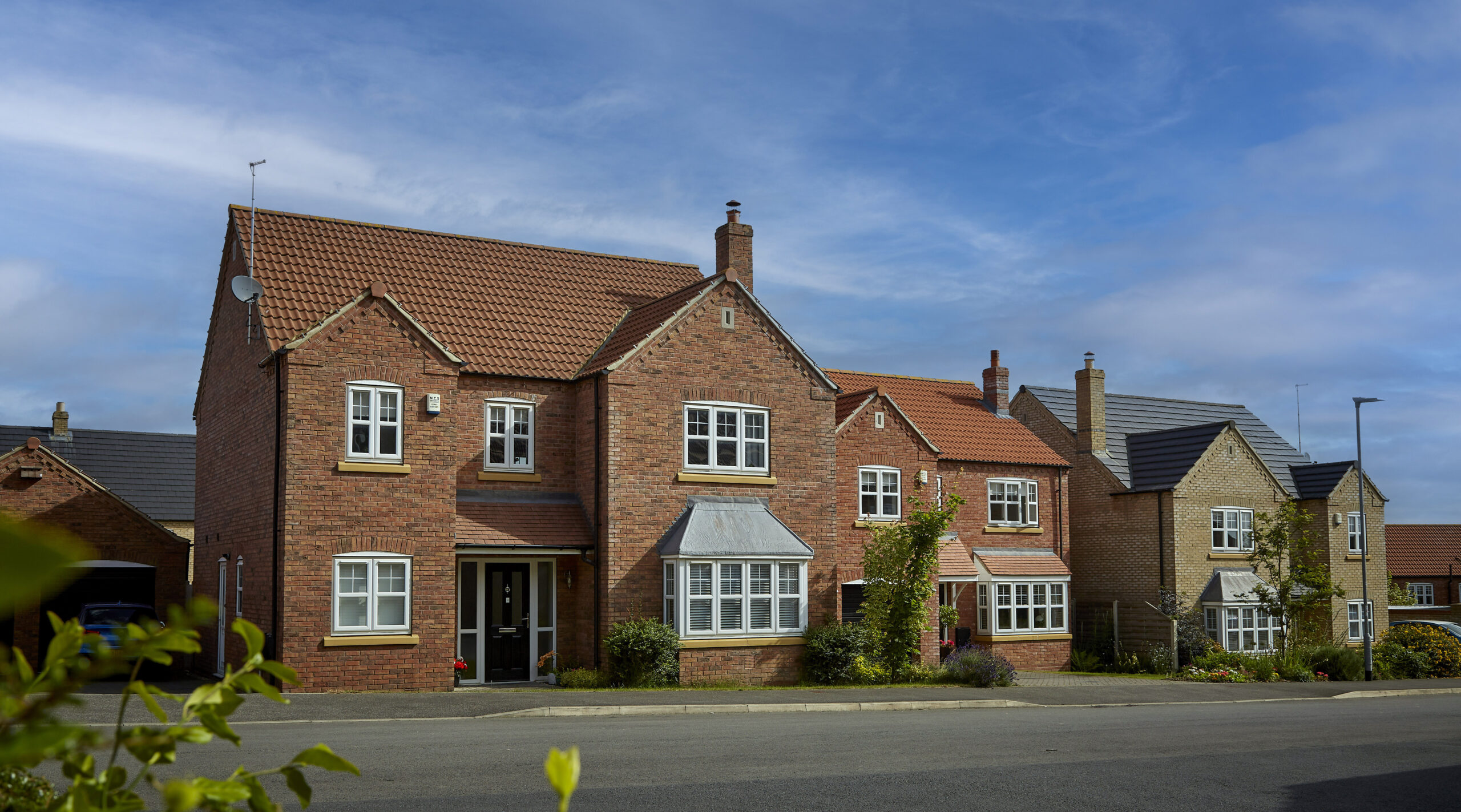
When people compare a new build home with an older home, the conversation often starts the same way: character vs convenience. Original features, bay windows and mature gardens versus fresh finishes, modern layouts and fewer ‘to-do jobs’ when you get that move.
But in 2026, there is often more to consider when comparing old vs. new build homes. What buyers are increasingly trying to work out is simpler: which home will cost less to run, need less fixing, and hold up better over the long term. Energy bills, comfort, maintenance, future regulations and resale demand; it all feeds into value now.
At Beal Homes, we’ve been building across Hull, East Yorkshire and Lincolnshire for nearly 60 years. We see the questions buyers ask changing year on year. People still care about location and layout, of course. But they’re also thinking: How will this home feel in winter? What will it cost me every month? Will I be constantly repairing things? And what happens if standards tighten again in a few years?
So, if you’re weighing up a brand-new home versus an older property in 2026, here’s what matters most when you zoom out and look at energy efficiency and long-term value.
Energy Efficiency Isn’t a “Nice to Have” Anymore
A few years ago, EPC ratings were something buyers glanced at. Now? They’re becoming more important than ever.
Because energy efficiency isn’t just about being “green” (although that matters to plenty of people). It’s about everyday comfort and everyday cost. A warm house that doesn’t leak heat. Rooms that don’t feel draughty. A heating system that isn’t fighting a losing battle.
New-build homes are designed around modern standards. Insulation, airtightness, glazing and heating systems are planned together, from the start. It’s not one upgrade here and another patch there. It’s one joined-up performance.
Older homes can absolutely be improved though. Some owners do a brilliant job of it. However, the reality is that older properties often start from a very different baseline. Insulation may be limited (or missing in key areas), the home may lose heat through walls, floors, roofs and older windows, and ventilation can be inconsistent. You can fix individual parts, but it’s rarely a clean, straightforward process. It can often wind up being a costly one as well.
In a new-build Beal home, efficiency is built in. 100% of Beal Homes are A or B energy rated, which gives buyers a clearer idea of what to expect once they move in, rather than crossing fingers and budgeting for upgrades later.
The Hidden Costs of Older Homes Don’t Always Show Up on Day One
Here’s something buyers don’t always hear enough: an older home can be a fantastic place to live, but it can also be a slow drip of expense. Not always. But often enough that it’s worth thinking about.
With older properties, you’re not just buying a layout and a postcode. You’re buying whatever is behind the walls too: plumbing age, wiring condition, roof state, damp risk, window quality, ventilation habits and boiler life. Surveys help, but they won’t predict everything.
And even when nothing is “wrong” exactly, older homes tend to come with a rolling list of improvements people feel they should make:
- Replacing a tired boiler before it goes
- Adding insulation where possible
- Sorting windows or doors
- Dealing with condensation spots or cold corners
- Improving ventilation
- Fixing bits of wear that come with age
With a new home, you’re usually stepping into something that’s ready now, with modern systems, modern performance and less immediate maintenance needs. For buyers who want fewer surprises (especially during the first few years of ownership), that predictability becomes part of the value. See our current developments for more inspiration on our new-build homes.
Long-Term Value: It’s Not Just the Price Tag In a New Build Home
In 2026, “value” isn’t only about what you pay. It’s what the home gives you back over time.
A new home’s value often shows up in reduced monthly bills, fewer repairs, consistent comfort and layouts that work for the way people live today. Things like:
- Better heat retention (so the home stays warm without constant heating)
- More reliable temperature across rooms
- Less need to “fix” or modernise immediately
- Practical storage and usable space
- Wiring and infrastructure that supports modern tech without workarounds
Older homes can offer advantages too – bigger plots, established streets, mature gardens, sometimes unique layouts. But, if you need to modernise for comfort and efficiency, you’ve got to factor those costs in properly. Not just “we’ll sort it later”. Later gets expensive quickly.
And resale matters as well. Buyers are becoming more EPC-aware, and as regulations and standards evolve, energy efficiency is likely to stay on the list of things people check early. Homes that already perform well can remain attractive without the next owner needing a renovation plan.
Homebuying Comfort in 2026 Means More Than Warmth
This is one of the biggest shifts: a home feels homely all year round.
In older homes, you can sometimes get that familiar pattern: one room that’s always colder, another that overheats, a bit of condensation in the morning, a draught you never quite solve. Some people don’t mind. Others find it slowly grating, especially if they’re working from home more.
Newer homes tend to offer more consistent comfort because the building fabric is performing as it should. The home is designed to retain heat, manage ventilation, and avoid that “patchy” feeling that older properties can struggle with.
It sounds subtle. It isn’t, once you’re living in it every day. This is the Beal difference you come to expect from a new-build Beal home.
Energy Efficiency Links Directly to Affordability
There’s a reason energy efficiency keeps coming back into the conversation, this is because it affects what you can comfortably afford month to month.
Two homes might look close in price, but if one costs noticeably more to run, the gap can widen fast. Over years, not months.
That’s why buyers increasingly look at homes as a full picture: mortgage plus bills plus the likely cost of maintenance and upgrades. When a home starts efficient and stays efficient, it can make budgeting easier.
Buying a New Build Home Can Be More Achievable Than People Assume
One misconception that still hangs around is that new homes are only for buyers with everything neatly in place.
In reality, the buying journey can be supported in practical ways, especially when a builder offers structured schemes that remove some of the sticking points people face.
At Beal Homes, the Help for Buyers options are designed for exactly that: making the move feel more manageable, whether you’re buying for the first time or trying to move up the ladder without the usual chain stress.
Here are the main ways that support tends to help in real life:
Part Exchange: Removing the “What if We Can’t Sell?” Pressure
If you’re already a homeowner, one of the biggest stress points is the sale. Chains break. Timelines slip. Buyers pull out. You can end up in limbo, paying fees and watching the market.
Part Exchange can help by taking away that uncertainty – making it possible to move forward without waiting for a buyer to appear and everything to line up perfectly.
Assisted Move: Help Selling Your Current Home, With Less Hassle
Some buyers don’t need Part Exchange, but they do want support selling, because selling can be the hardest part of moving.
Assisted Move can help streamline the process and reduce the pressure points that tend to derail plans (and budgets). We streamline this process by arranging an independent valuation of your current property and presenting you with a bespoke marketing plan.
Launch Pad: Helping First-Time Buyers Get on the Housing Ladder
This Beal initiative is exclusively for first time buyers to help make your first move that extra bit special.
Launch Pad is available to all first-time buyers on selected plots on selected developments, and cannot be used in conjunction with other of our offers or schemes. You will however receive up to £5,000 to spend on upgrades and extras in our Design Lounge, and up to £1,000 towards your legal fees.
Deposit Support Options: Easing the Upfront Barrier
For many buyers – especially first-time buyers – the upfront costs are the brick wall. Even with a decent income, saving a deposit while rents and bills stay high can be tough.
One such example is our Deposit Unlock scheme, where you can buy a new Beal home with just a 5% deposit, and this is available on a wide range of new build homes up to the value of £833,250*.
What is the Design Lounge?
One of the biggest benefits of buying new with Beal Homes is the freedom to personalise your home from day one. In our Design Lounge, you’ll work with expert advisors to choose finishes, fixtures and upgrades that suit your style.
From on-trend looks like Minimalist, Luxe, Contemporary Country, Industrial, Japandi and Botanical, you can tailor kitchens, flooring, bathrooms, media walls and even garden features.
Alongside this, each Beal home comes with floor coverings throughout. To let you move straight into your new home, you can kit it out with carpets to your hallways, stairs and landing, bedrooms and living room, and laminate flooring to your kitchen/dining, and tiling to your bathroom, cloakroom and ensuite as standard.
If kitting out the inside wasn’t enough, we install 6ft-high fencing around your garden, along with a side gate. We also include turf and an outside tap as standard, to help you keep your garden looking lush across all four seasons.
But it’s about more than design. It’s about creating a home that reflects how you live. With Beal, bespoke options go beyond standard finishes – from custom kitchen layouts and built-in wardrobes to sunrooms, orangeries, media walls and personalised ensuites. You can even adapt or convert garages and landscape your garden to perfectly suit your lifestyle.
It’s incentives such as these that make Beal Homes such an attractive choice for prospective buyers. Our quality also goes beyond our schemes though. For example, Beal Homes has earned the HBF five-star rating for customer satisfaction for the fifth year in a row – and we achieved a score of 97.2% from homeowners surveyed who said they would recommend us to a friend.
Final Thoughts
If you love older homes, there’s nothing wrong with choosing one. Character is real, and some locations and styles can’t be replicated.
But, if your priority in 2026 is energy efficiency, predictable running costs, modern comfort and long-term reassurance, new-build homes have a clear practical advantage, especially when they’re designed properly from the start and tailored to your needs.
When you choose Beal Homes, you’ll notice the difference immediately. We build homes that are made for real life: comfortable, efficient and ready to support modern living without constant “projects” attached. Combine that with buyer support options designed to make moving easier, and it’s clear why so many people are choosing new build homes in 2026 – not just for the move-in moment, but for everything that comes after it.
Contact us today if you’re interested in buying a new-build property in 2026 or see our About Us page to find out why people in Hull, East Yorkshire and Lincolnshire choose Beal Homes.
*subject to lenders participation on selected homes and developments. Rates and maximum purchase price vary via lender, based on Nationwide Building Society’s current guidelines from November 2021. Nationwide no longer offer Deposit unlock.